
 ‘Ramayana’ Builds Excitement with Ravana Tandav Song Ahead of November Release
  Sunny Deol’s ‘Suryaa’ Teaser Out, Film to Release on November 20
  Apple iPhone Duo Pre-Orders Begin, Foldable Phone Offers Dual Displays
  NTA announces the exam dates for UGC NET December 2026
  IBPS SO Prelims Result 2026 Declared, Scorecard Available Till October 22
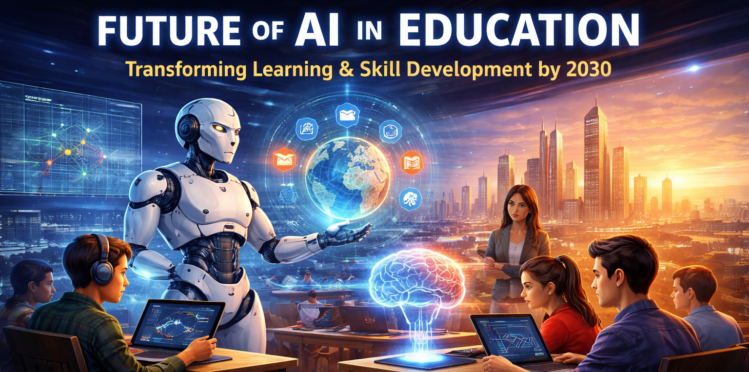
Future of AI in Education: Transforming Learning and Skill Development by 2030
4 months ago
Future of AI in Education is becoming one of the most discussed topics in the modern education industry. Artificial Intelligence (AI) is rapidly transforming the way students learn, teachers teach, and institutions deliver education. As technology continues to evolve, the Future of AI in Education is expected to bring significant changes to classrooms, online learning platforms, and skill development institutes. Moreover, AI-powered tools are helping students gain personalized learning experiences, while educators are improving teaching efficiency through automation and data-driven insights. Furthermore, institutions like HIDM (Hisar Institute of Digital Marketing) are preparing students for future careers by integrating industry-relevant digital marketing skills and emerging technologies into their training programs.
By 2030, AI is expected to revolutionize education through personalized learning, intelligent tutoring systems, automated assessments, and advanced skill development programs. Therefore, understanding the future impact of AI in education is essential for students, educators, and educational institutions.
What is Artificial Intelligence in Education?
Artificial Intelligence refers to computer systems that can perform tasks requiring human intelligence. These tasks include learning, problem-solving, decision-making, language understanding, and pattern recognition.
In education, AI helps institutions improve learning experiences through various applications. For example:
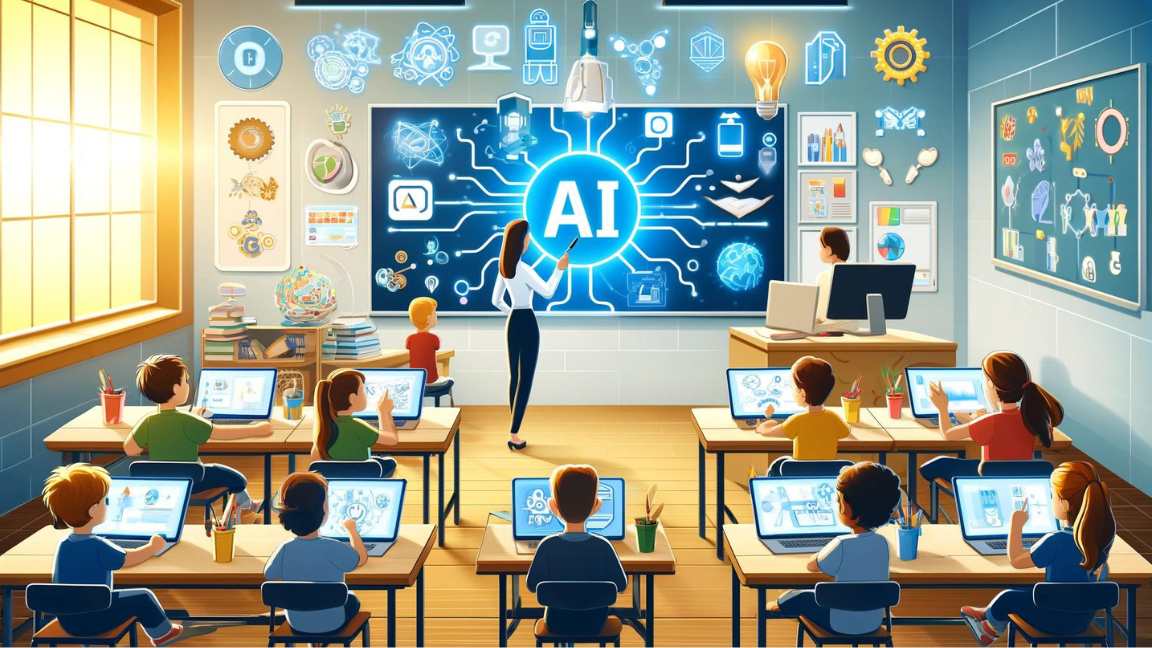
- Personalised learning platforms
- AI-powered tutors
- Automated grading systems
- Learning analytics
- Virtual assistants
- Smart content creation
- Student performance tracking
- Language translation tools
As a result, educational institutions can provide better learning opportunities while reducing administrative workloads.
Current State of the Future of AI in Education
Before discussing future developments, it is important to understand how AI is currently being used in education.
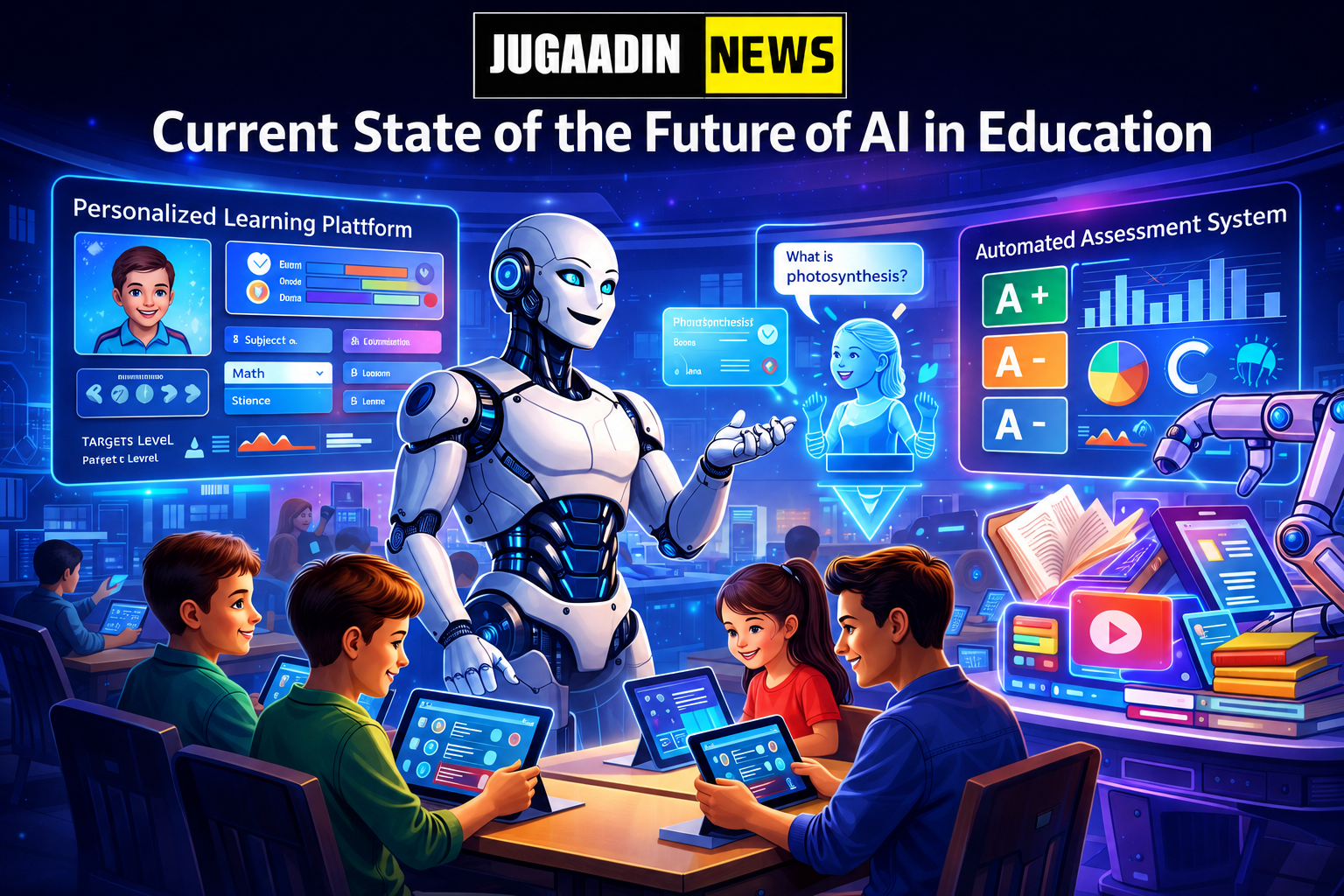
Personalized Learning Platforms
Today, AI-powered learning platforms analyze student behaviour and academic performance. Consequently, they recommend customized learning materials based on individual strengths and weaknesses.
Moreover, students receive tailored study plans that improve engagement and learning outcomes.
Automated Assessment Systems
Teachers spend significant time evaluating assignments and exams. However, AI-powered assessment tools can automate grading processes.
As a result, educators can focus more on teaching and mentoring students.
Virtual Learning Assistants
Many educational institutions now use AI chatbots and virtual assistants. These tools answer student questions, provide resources, and offer academic support around the clock.
Furthermore, students can access help anytime, improving learning efficiency.
Content Creation Tools
AI tools such as ChatGPT, Google Gemini, Jasper AI, and Writesonic assist in creating educational content. Therefore, both educators and students can save time while improving productivity.
Future of AI in Education by 2030
The Future of AI in Education will reshape traditional learning methods. By 2030, classrooms will become more interactive, personalized, and technology-driven.
Hyper-Personalized Learning Experiences
One of the most significant advancements will be hyper-personalized learning.
AI systems will analyze:
- Learning speed
- Academic performance
- Learning preferences
- Strengths and weaknesses
- Student interests
As a result, every student will receive a customized learning path.
Benefits of Personalized Learning
- Improved academic performance
- Better knowledge retention
- Higher student engagement
- Reduced learning gaps
- Increased confidence
Therefore, students will no longer be forced into a one-size-fits-all education system.
AI-Powered Virtual Tutors
By 2030, virtual tutors will become common across schools, colleges, and professional training institutes.
These AI tutors will:
- Answer questions instantly
- Provide personalized explanations
- Conduct practice sessions
- Track learning progress
- Offer real-time feedback
Moreover, students will receive academic assistance 24/7.
As a result, learning will become more flexible and accessible.
Smart Classrooms and Intelligent Learning Environments
The Future of AI in Education will also introduce smart classrooms equipped with advanced technologies.
These classrooms may include:
- Smart boards
- Facial recognition attendance systems
- Voice-controlled learning tools
- Interactive digital content
- Real-time student performance monitoring
Furthermore, teachers will gain deeper insights into student engagement and comprehension levels.
Consequently, educational outcomes are expected to improve significantly.
Improved Accessibility Through AI
AI will play a crucial role in making education more inclusive.
For instance, future AI technologies may provide:
- Speech-to-text conversion
- Text-to-speech learning tools
- Real-time language translation
- Support for students with disabilities
As a result, students from diverse backgrounds will gain equal access to quality education.
Moreover, educational barriers will continue to decrease worldwide.
Future of AI in Education and Career Development
AI will not only improve education but also transform career planning and skill development.
AI-Based Career Guidance
Career counseling will become more accurate with AI-powered systems.
These systems will analyze:
- Student interests
- Academic records
- Industry trends
- Employment opportunities
- Market demands
Therefore, students will receive personalized career recommendations.
Furthermore, they will be able to make informed career decisions.
Advanced Skill Development Programs
The future workforce will require practical and technology-focused skills.
As a result, educational institutions must adapt their training programs.
AI will help institutes provide:
- Personalized learning paths
- Real-time project feedback
- Skill gap analysis
- Industry-specific training
Consequently, students will become more job-ready.
Future of AI in Education and Online Learning
Online education has already transformed learning. However, AI will make it even more effective.
Intelligent Learning Platforms
Future learning platforms will provide:
- Personalized course recommendations
- Adaptive learning paths
- Real-time performance tracking
- Interactive assessments
As a result, students will enjoy more engaging learning experiences.
Furthermore, educational institutions can improve course completion rates.
AI-Powered Content Creation
Educational content creation will become faster and more efficient.
AI will help educators create:
- Lesson plans
- Quizzes
- Assignments
- Presentations
- Study materials
Therefore, teachers can focus more on student engagement and mentorship.
Moreover, content quality and consistency will improve.
Virtual Reality and AI in Education
The Future of AI in Education will become even more exciting when combined with Virtual Reality (VR) and Augmented Reality (AR).
Students will be able to:
- Visit historical locations virtually
- Perform science experiments safely
- Explore virtual laboratories
- Participate in realistic simulations
Consequently, learning will become more interactive and memorable.
Furthermore, practical understanding will improve significantly.
Benefits of the Future of AI in Education
AI offers numerous advantages for students, educators, and institutions.
For Students
- Personalized learning experiences
- Faster skill development
- Better academic performance
- Flexible learning opportunities
- Increased confidence
For Teachers
- Reduced administrative workload
- Faster grading processes
- Better student insights
- Enhanced teaching efficiency
For Institutions
- Improved operational efficiency
- Better learning outcomes
- Enhanced student engagement
- Data-driven decision-making
Therefore, AI creates value for every stakeholder in the education ecosystem.
Challenges in the Future of AI in Education
Despite its advantages, AI also presents several challenges.
1. Data Privacy Concerns
Educational institutions collect a large amount of student data, including academic records and learning behavior. Therefore, protecting this information from cyber threats and unauthorized access will become increasingly important. Strong security measures and data protection policies will be essential.
2. High Implementation Costs
Implementing AI technologies requires investment in software, infrastructure, and training. As a result, many schools and smaller educational institutions may find it difficult to adopt AI solutions initially. However, technology costs are expected to decrease over time, making AI more accessible.
3. Digital Divide
Not all students have access to high-speed internet, computers, or smart devices. Consequently, some learners may not benefit equally from AI-powered education. Therefore, governments and institutions must work together to ensure equal access to digital resources.
4. Overdependence on Technology
While AI can improve learning efficiency, excessive dependence on technology may reduce critical thinking and problem-solving abilities. Therefore, students should use AI as a learning assistant rather than relying on it completely for every task.
5. Ethical Challenges
AI systems can sometimes produce biased or inaccurate results if they are trained on incomplete data. As a result, educational institutions must ensure transparency, fairness, and responsible use of AI technologies. Ethical guidelines will play a crucial role in maintaining trust in AI-powered education
Future Career Opportunities Created by AI
The growth of AI in education will create new employment opportunities.
Some future job roles include:
- AI Education Specialist
- Learning Experience Designer
- Educational Data Analyst
- AI Curriculum Developer
- Educational Technology Consultant
- AI Trainer
- Digital Marketing Analyst
- AI Content Strategist
Therefore, students who develop AI-related skills today will have stronger career prospects in the future.
Conclusion
The Future of AI in Education is expected to transform learning, teaching, and skill development by 2030. Through personalized learning, AI-powered tutors, smart classrooms, intelligent assessments, and immersive learning experiences, education will become more efficient, accessible, and engaging.
Moreover, AI will empower educators rather than replace them. While teachers focus on mentorship, creativity, and student development, AI will handle repetitive administrative tasks. As a result, both students and educators will benefit from a more effective learning environment.
Institutions like HIDM (Hisar Institute of Digital Marketing) are already preparing students for this transformation by offering practical digital marketing education and exposure to modern AI-powered tools. Furthermore, as businesses continue adopting AI technologies, students trained in AI-related skills will gain a significant competitive advantage.
Therefore, the future of education is not only digital but also intelligent, personalized, and innovation-driven. By embracing AI responsibly, educational institutions can create a smarter and more inclusive learning ecosystem for future generations.


