
 Gemini 4 Argon Arrives Globally With Enhanced Coding Skills
  India and UK Strengthen Cooperation in Animal Husbandry
  Indian Army Launches Bharat Rice to Strengthen Food Supply for Troops
  Hisar to Host Grand ‘DESIVERSE’ Event on October 24; Parmish Verma to Perform Live
  Government Caps Trade Margins on Anti-Cancer Medicines at 30%
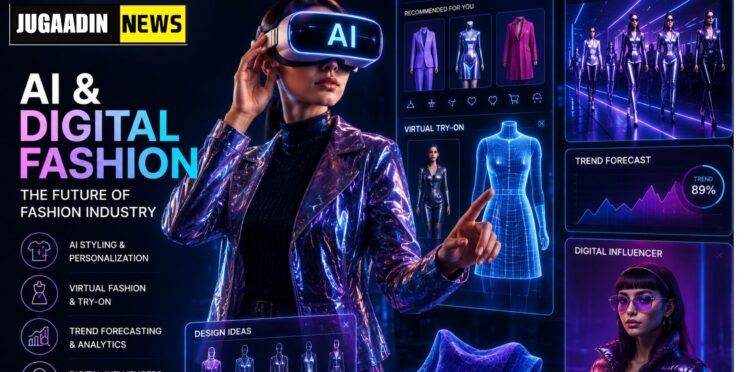
AI and Digital Fashion: The Future of the Fashion Industry
4 months ago
Introduction
The fashion industry is changing rapidly with the help of modern technology and Artificial Intelligence (AI). In 2026, digital innovation has become one of the biggest driving forces behind global fashion trends. From AI styling tools and virtual fashion shows to digital influencers and smart shopping experiences, technology is transforming the way people interact with fashion.
Fashion brands are now using AI to understand customer preferences, predict upcoming trends, and improve online shopping experiences. Social media platforms and digital tools are helping brands connect with younger audiences more effectively. As a result, AI and digital fashion are becoming the future of the fashion industry.
What is AI in Fashion?
Artificial Intelligence, commonly known as AI, refers to technology that can perform tasks that usually require human intelligence. In the fashion industry, AI is used to analyse customer behavior, suggest outfits, improve fashion marketing, and personalise shopping experiences.
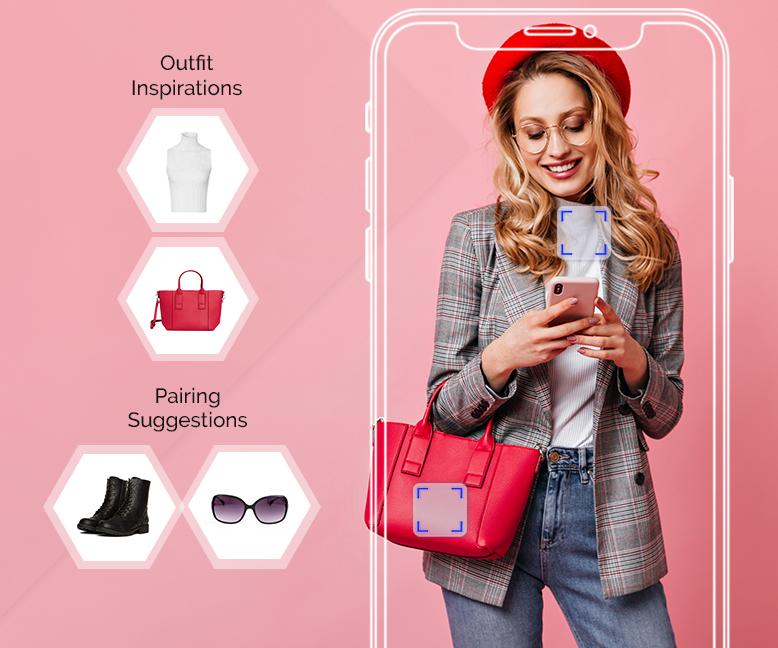
Many online shopping platforms now use AI-based recommendation systems. These systems study users’ browsing history, favorite styles, and shopping preferences to suggest products they may like. This makes online shopping easier, faster, and more personalized.
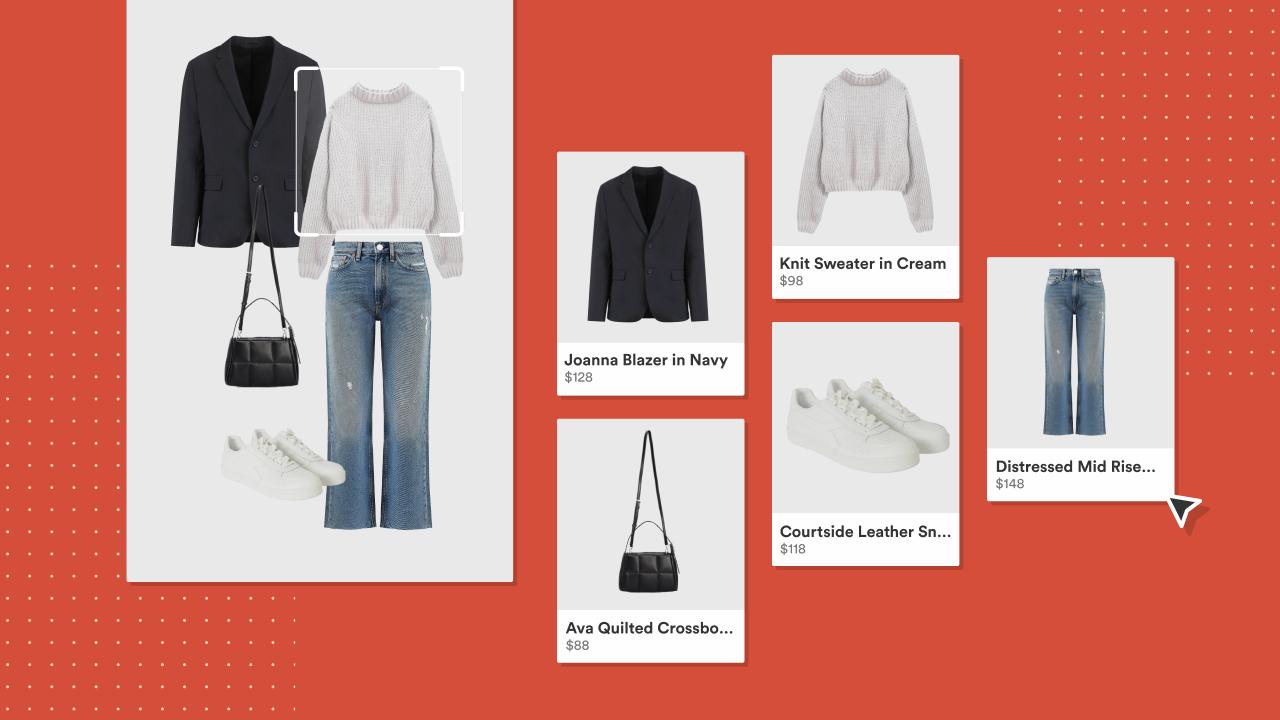
Fashion companies are also using AI to predict future fashion trends. By analyzing social media activity, customer interests, and online searches, brands can identify which styles, colors, and products may become popular in the future.
AI Styling and Personalized Shopping
AI styling has become one of the most popular innovations in fashion technology. Today, many fashion apps and websites offer AI-powered styling suggestions to customers. These tools help users choose outfits according to their body type, skin tone, and personal preferences.
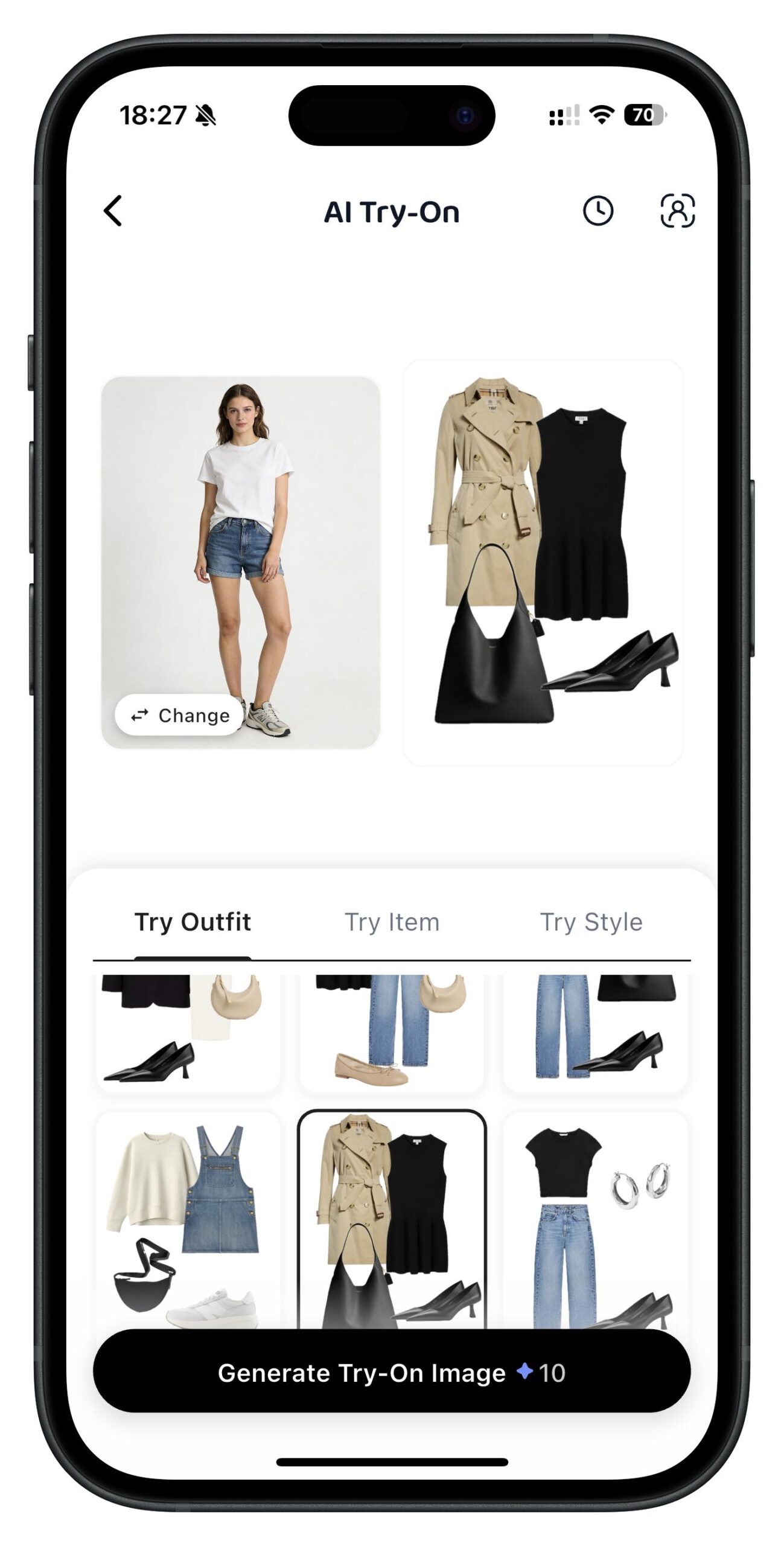
For example, when customers shop online, AI systems recommend matching accessories, footwear, and clothing items. Some applications even allow users to create complete outfit combinations virtually.
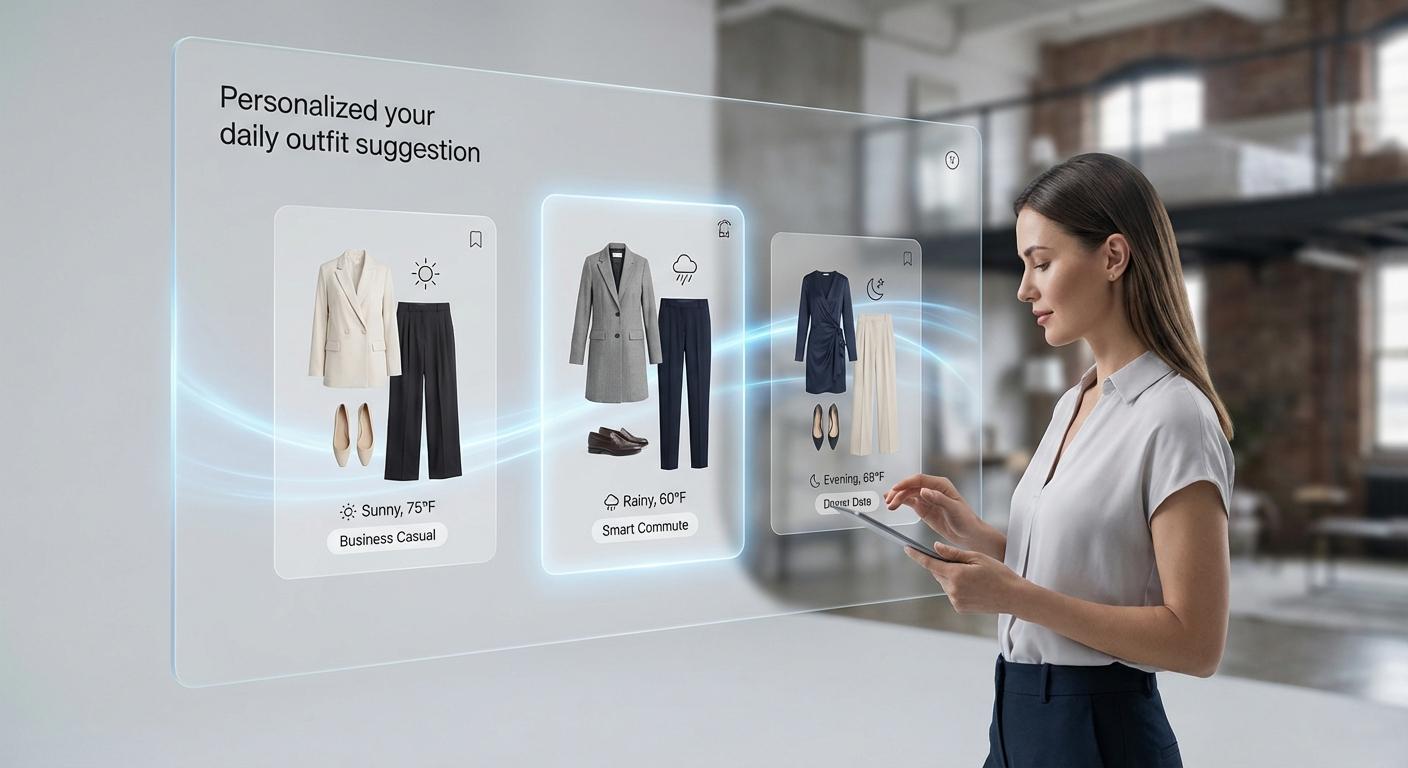
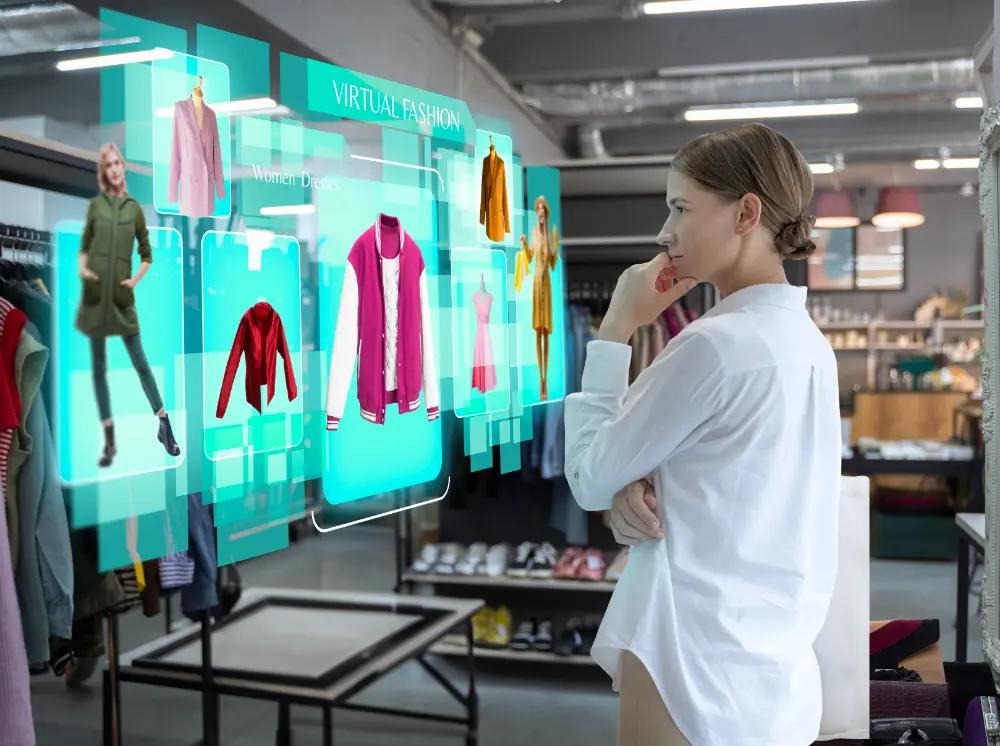
Virtual try-on technology is also becoming increasingly popular. Customers can now see how clothes, makeup, or accessories will look on them before purchasing products online. This technology improves customer confidence and reduces product returns for brands. Fashion experts believe AI styling will continue to grow because modern consumers prefer personalized shopping experiences over traditional shopping methods.
Rise of Virtual Fashion
Virtual fashion is another major trend shaping the future of the fashion industry. Digital clothing items are now being created specifically for online platforms, gaming environments, and social media content.
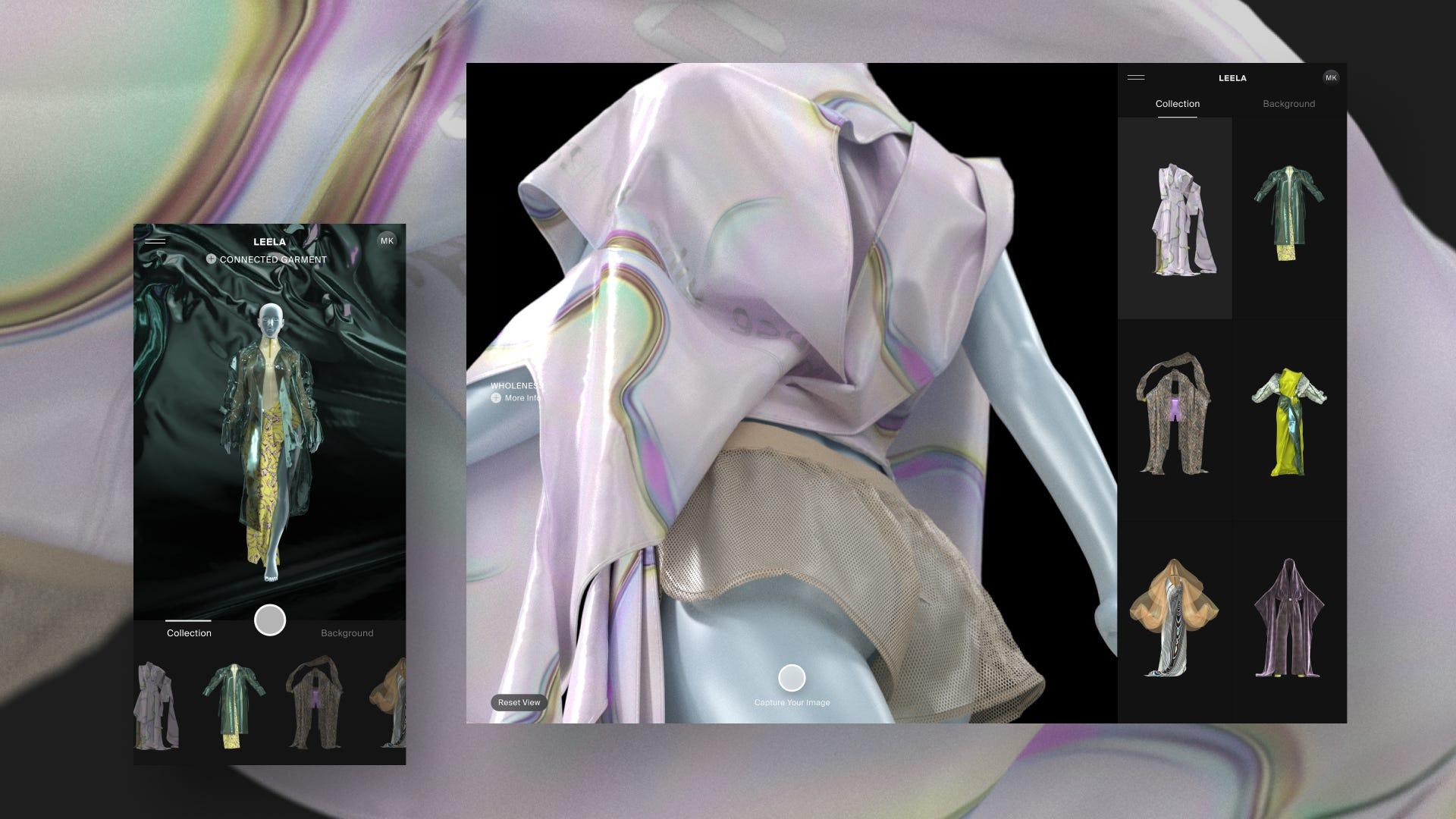
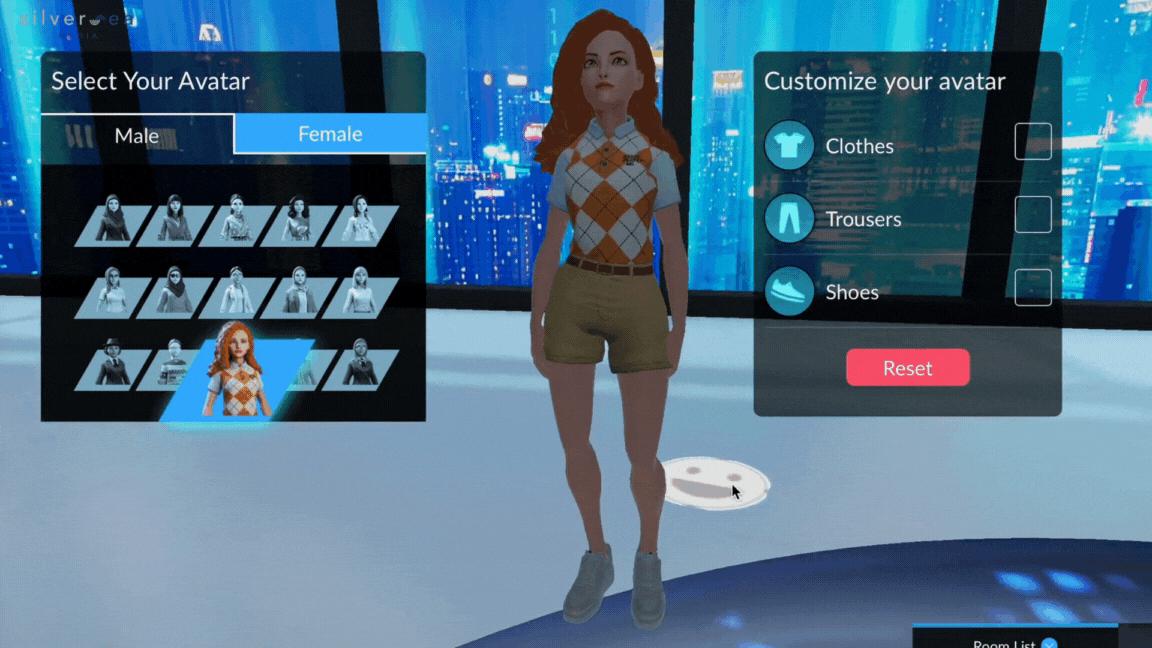
Virtual fashion allows users to wear digital outfits in photographs, videos, and virtual worlds without physically buying clothes. This trend has become especially popular among Gen Z audiences who spend significant time on social media and digital platforms.
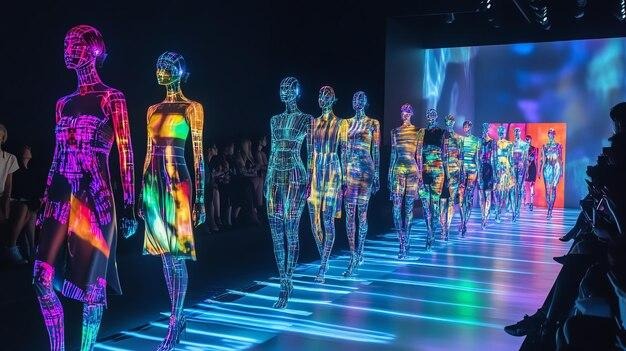
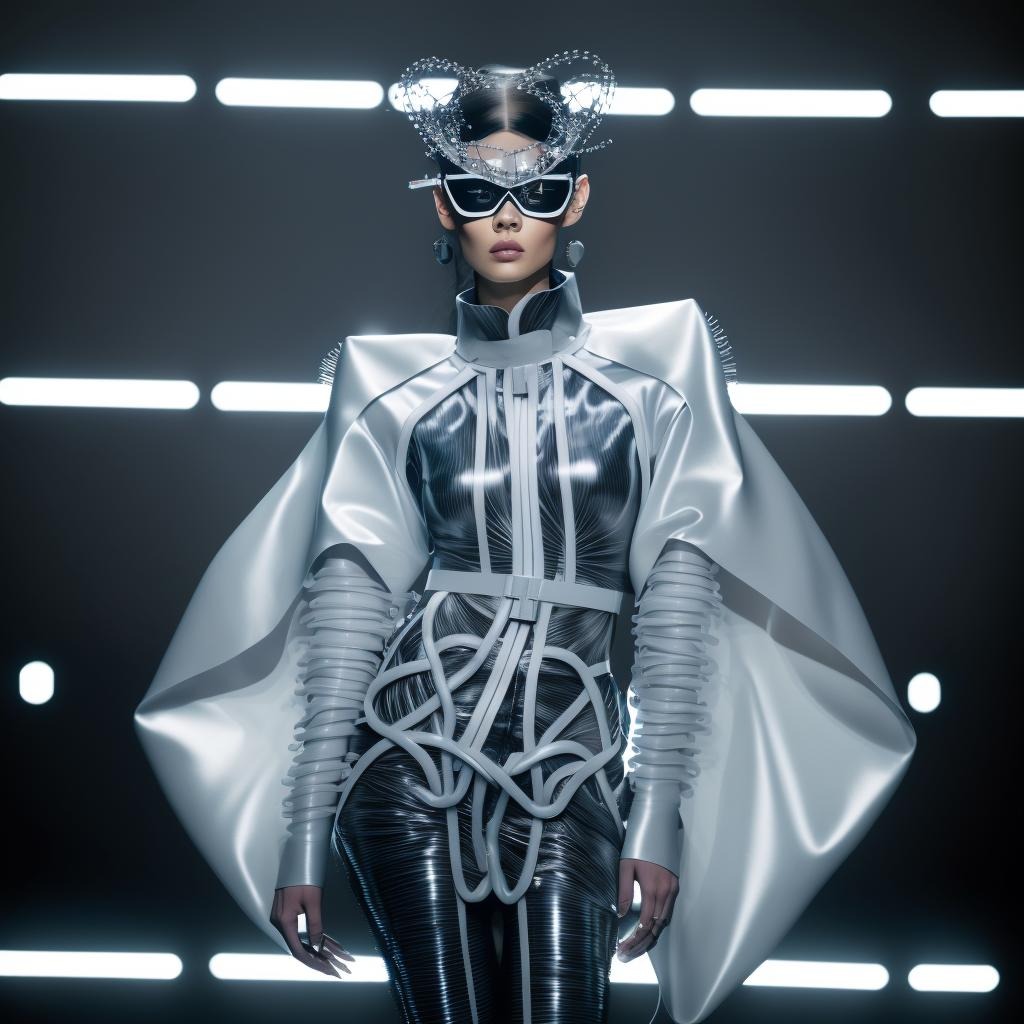
Fashion brands are also organizing virtual fashion shows instead of traditional runway events. These digital fashion events allow brands to reach global audiences online without geographical limitations.
The growth of the metaverse and digital reality platforms is further increasing the popularity of virtual fashion. Experts predict that digital clothing and virtual fashion experiences will become an important part of the fashion business in the coming years.
Digital Influencers and Social Media Fashion
Digital influencers are changing the way fashion brands promote products online. Unlike traditional influencers, digital influencers are computer-generated virtual personalities created using AI and graphic technology.
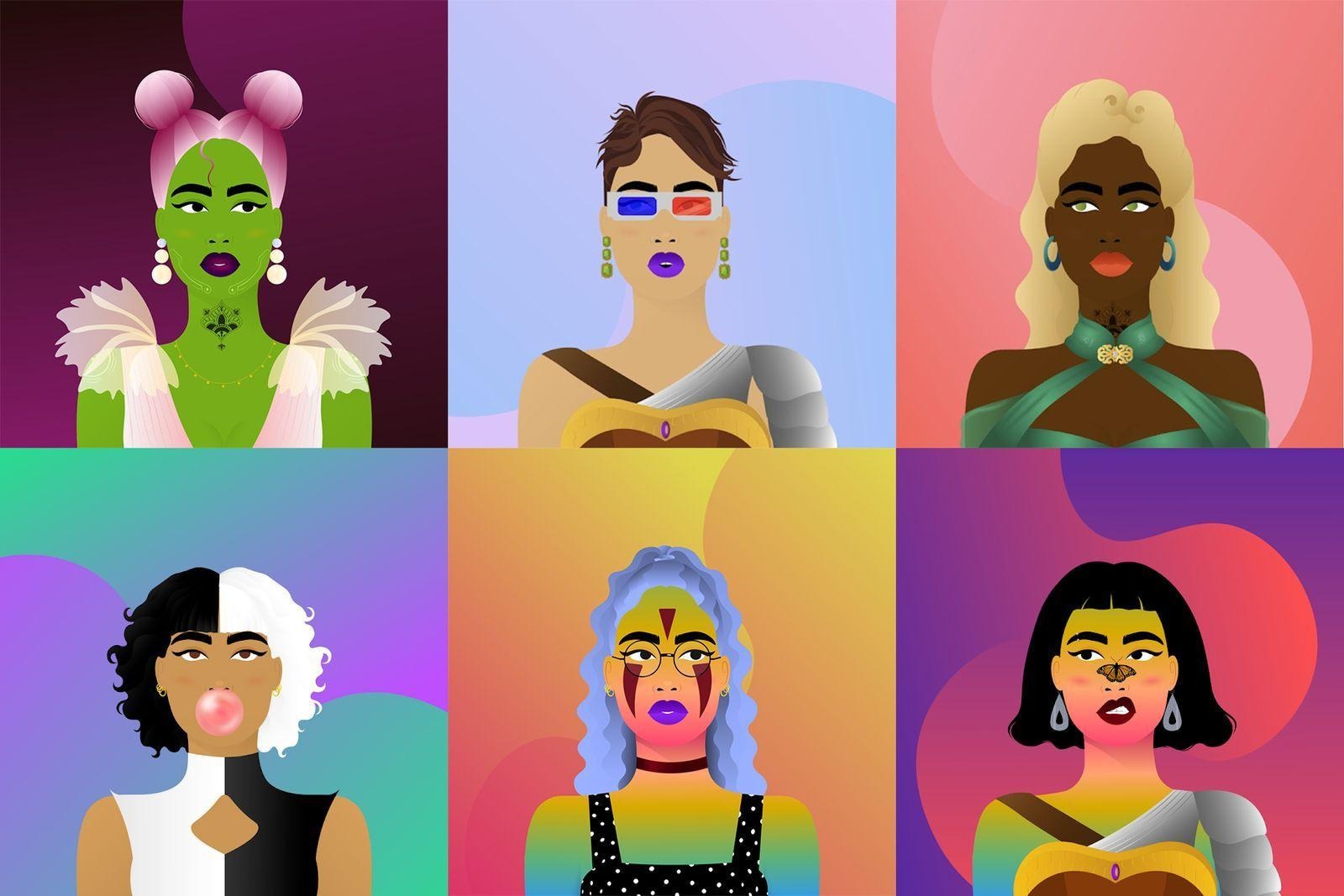
One of the most popular examples is Lil Miquela, a virtual influencer with millions of followers on social media. Digital influencers collaborate with fashion brands, promote products, and participate in marketing campaigns just like real celebrities.
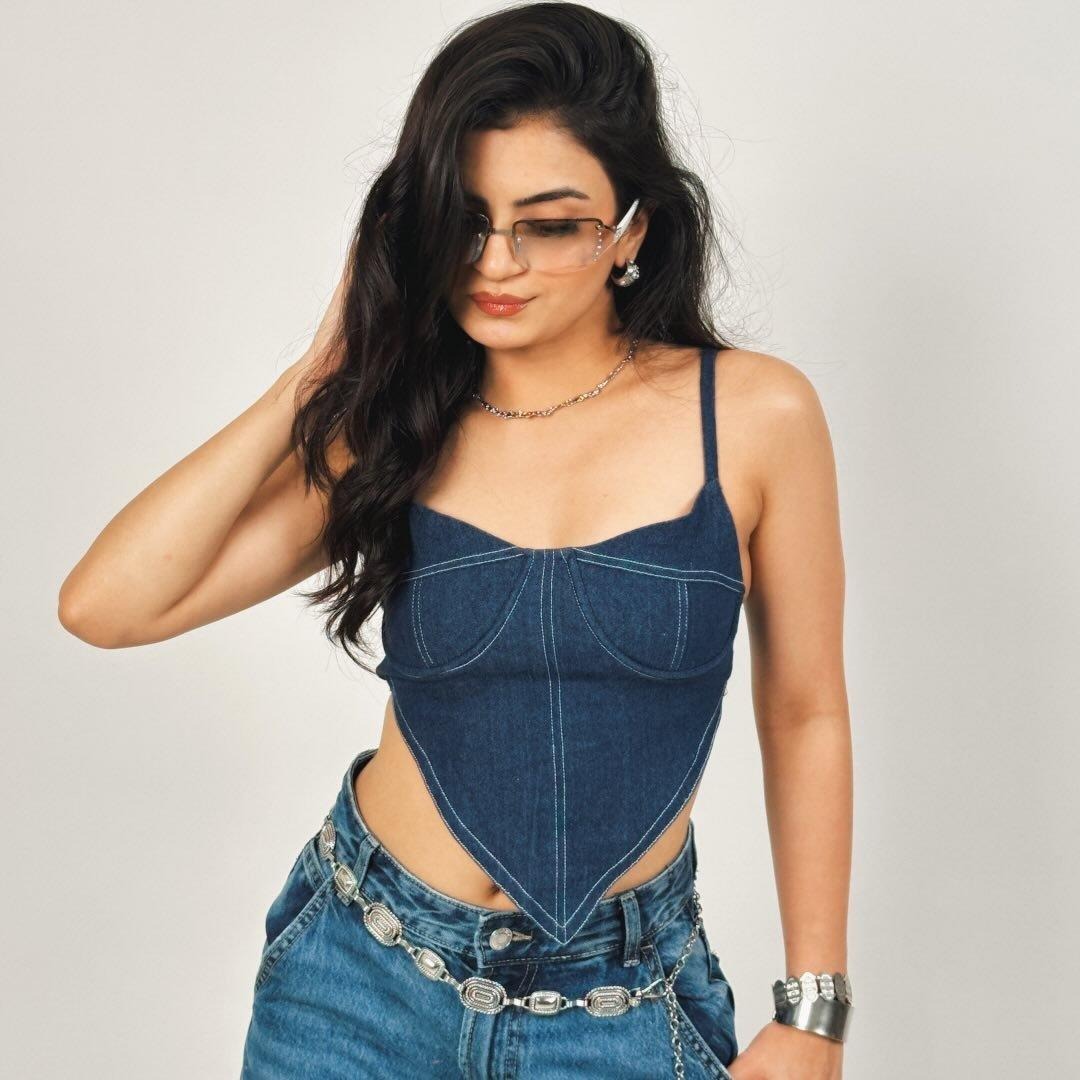
Fashion companies prefer digital influencers because they provide more creative control and innovative branding opportunities. Social media users are also becoming increasingly interested in futuristic digital personalities and AI-generated content. Platforms like Instagram, and YouTube continue to drive fashion trends through digital marketing strategies, influencer collaborations, and viral content.
AI in Fashion Design and Production
Artificial Intelligence is not only influencing fashion marketing but also transforming fashion design and production processes. Designers are now using AI tools to create new clothing patterns, color combinations, and trend forecasts.
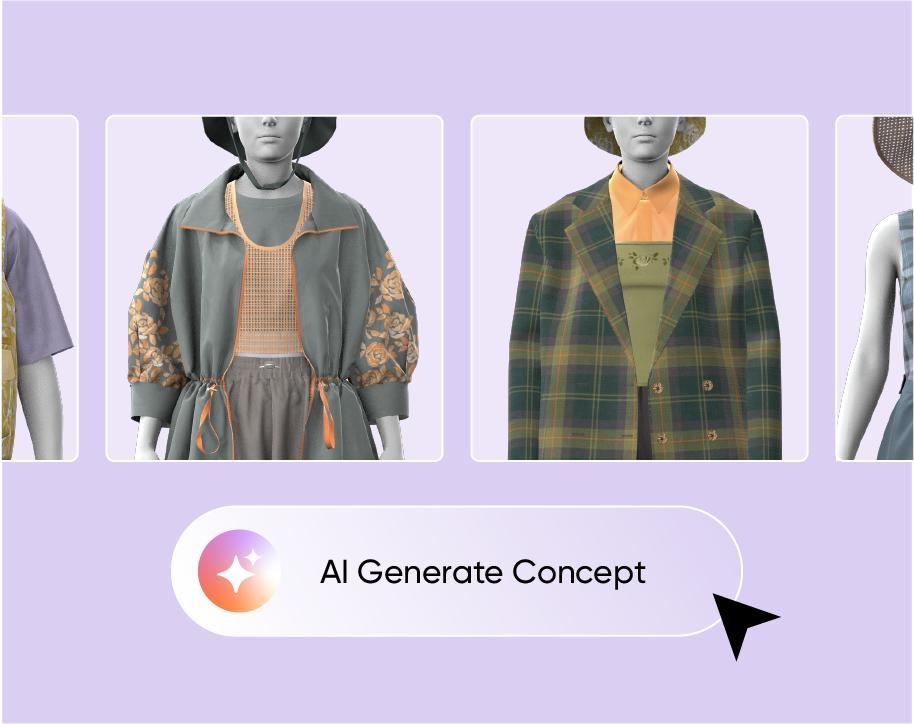
AI technology helps fashion brands analyze large amounts of data quickly, allowing companies to make smarter business decisions. This improves production efficiency and reduces waste in the fashion industry. Some brands are also using AI-powered robots and automated systems in clothing manufacturing. These technologies help improve product quality and speed up production processes.
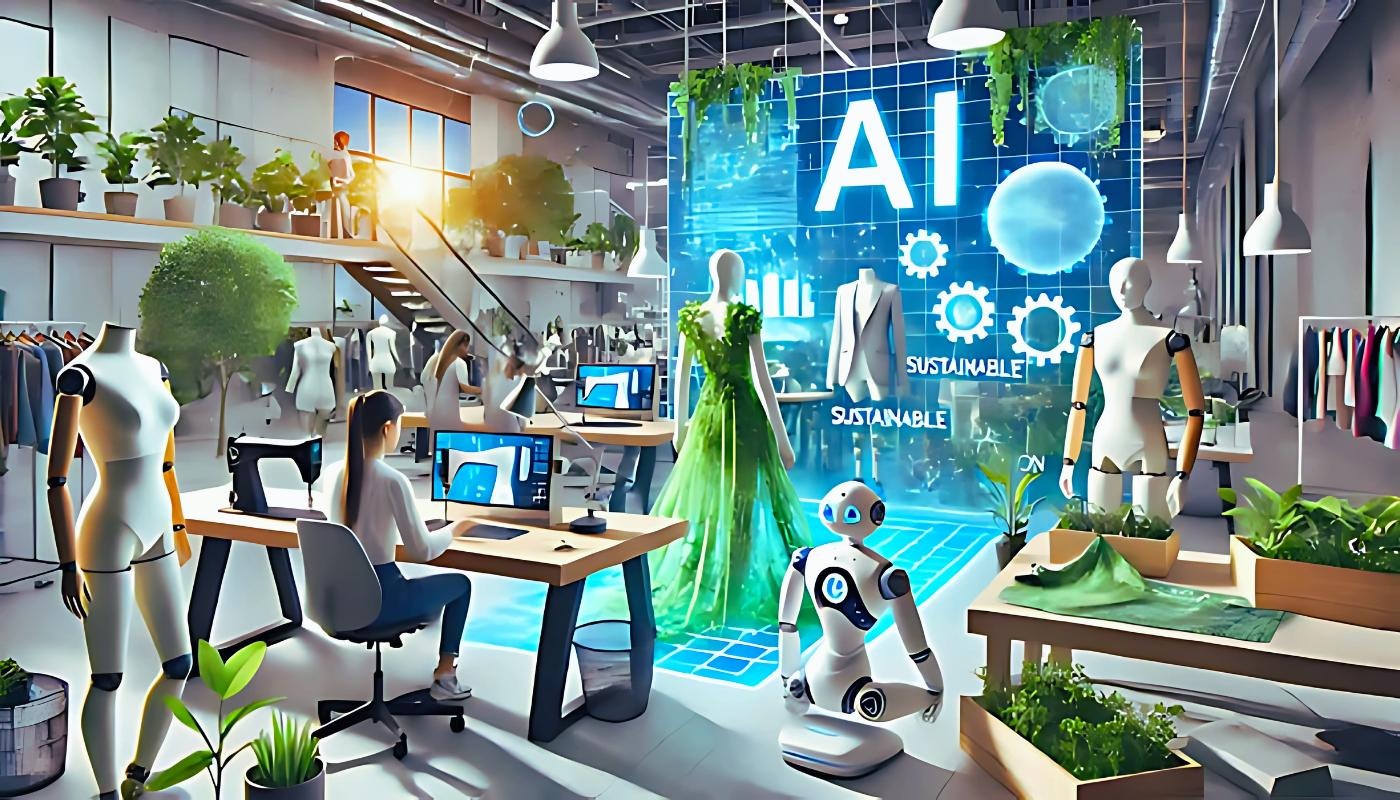
Experts believe AI can support sustainable fashion practices by helping brands produce clothing according to customer demand instead of mass production.
Benefits of AI and Digital Fashion
The growing use of AI and digital technology offers several benefits to the fashion industry.
1. Personalized Shopping Experience
Customers receive outfit recommendations according to their individual preferences.
2. Faster Trend Prediction
Brands can identify upcoming trends quickly using AI data analysis.
3. Improved Online Shopping
Virtual try-on tools make online shopping more interactive and convenient.
4. Better Marketing Strategies
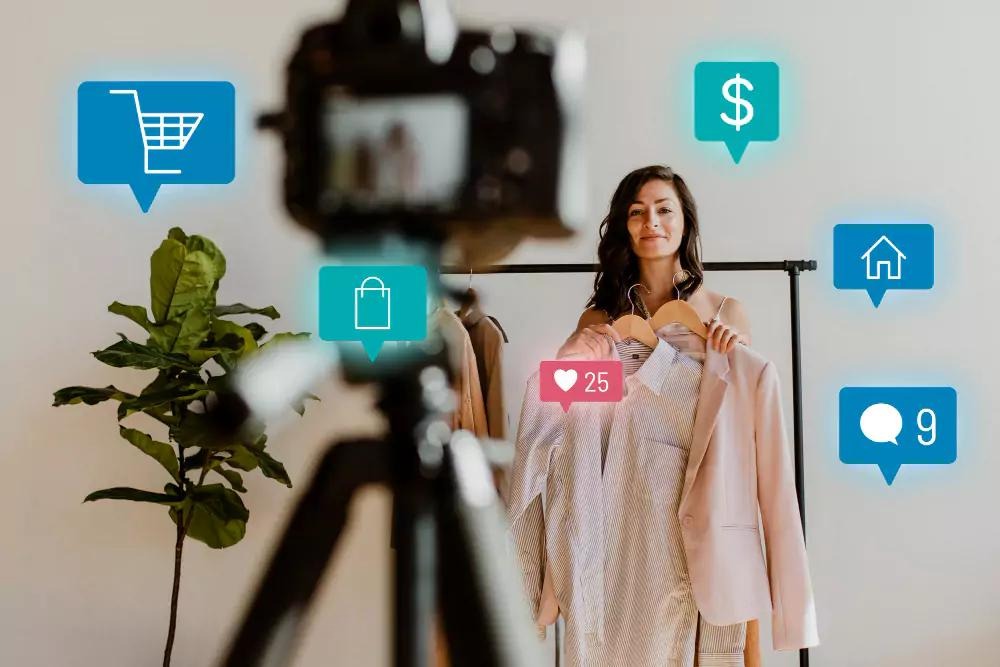
Digital influencers and AI-generated content attract younger audiences effectively.
5. Sustainable Fashion Support
AI helps reduce waste and improve efficient production planning.
Digital Fashion ki Challenges
AI and digital fashion offer many advantages, but they also come with certain challenges. Many people still prefer the traditional shopping experience. Data collection and privacy concerns related to AI have also become important discussion topics in the fashion industry.
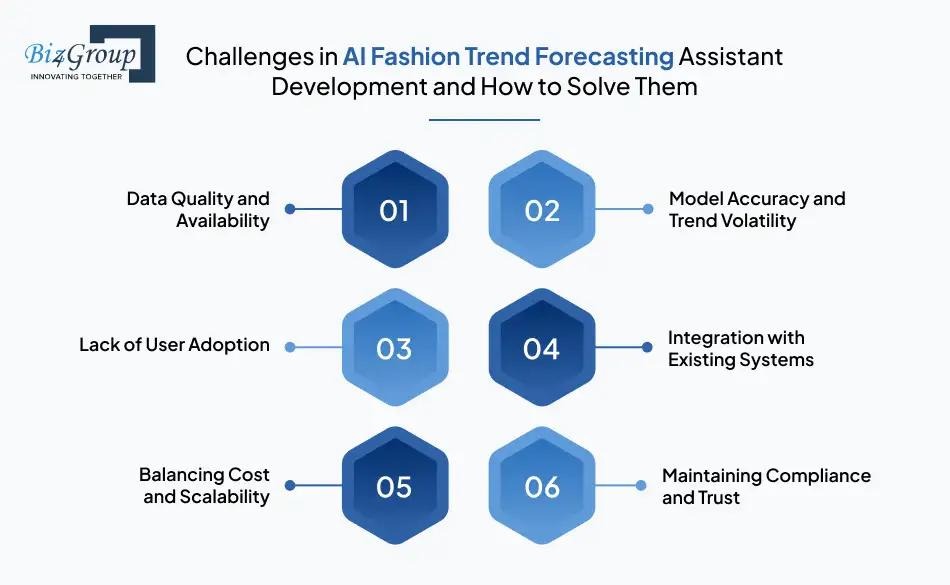
Advanced technology and AI systems can also be expensive for small fashion businesses. Some experts believe that excessive dependence on digital technology may affect human creativity.

Conclusion
AI and digital fashion are completely transforming the future of the fashion industry. Personalized shopping, virtual fashion shows, digital influencers, and AI styling tools are making the fashion world smarter and more innovative.
Fashion brands are continuously adopting digital strategies to attract younger consumers and remain competitive in the modern market. In the future, AI will influence global fashion trends even more strongly. The fashion industry is becoming smarter, faster, and more digital than ever before.
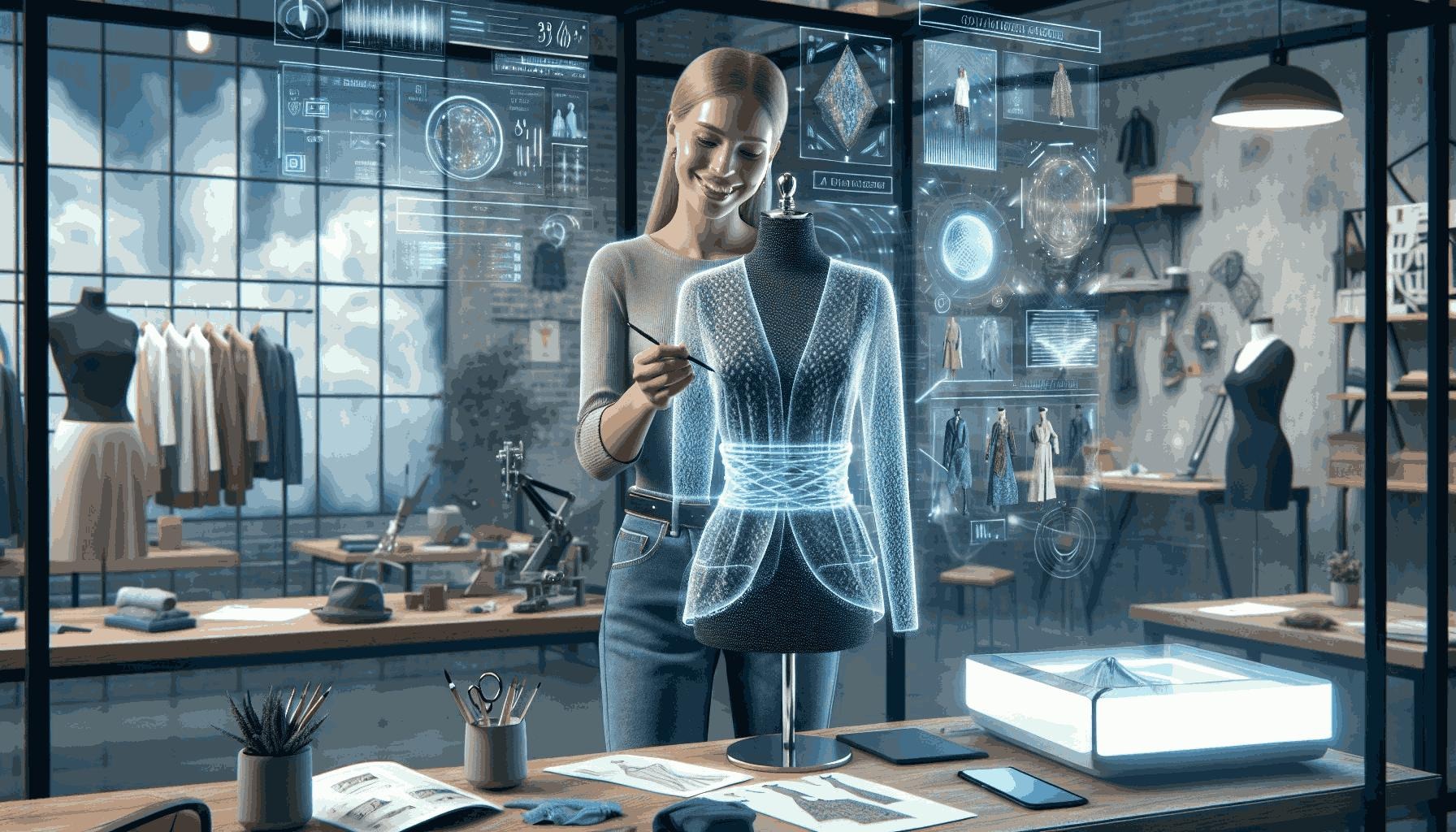
As technology continues to evolve, AI and digital fashion are expected to redefine the future of the global fashion industry.

